What will the state of NFL storytelling look like in 10 years?
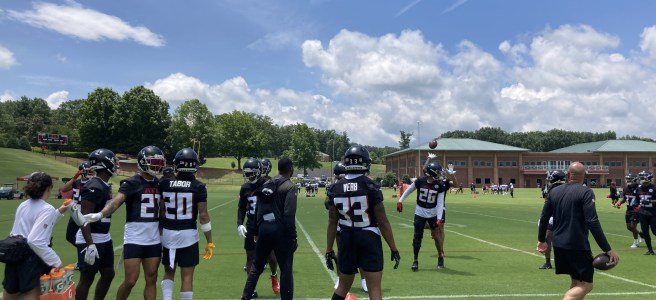
In one word: different. The media has played a major role in elevating the league to its current status atop the American sports pantheon, but that importance has not made it immune to changes. Since the start of the 21st century, the legacy sports publications and TV stations have had to share media scrums with new types of outlets that have embraced the potential of strong online presences, from sports blogs and fan sites to in-house media to gambling and fantasy-based reporters. Go to any NFL practice field and the media contingent will have representation from most of those groups, along with the occasional national correspondent or broadcast crew.
The prevalence of the internet has shaken up the playing field for the media (just look at the rise and fall of print magazines), and reinvention should be a priority for all types of outlets in the years to come. Media outlets are becoming more strategic, have a better understanding of their audiences and are welcoming new voices and prioritizing fresh angles: all developments that bode well for fans who are looking to read or watch great stories for years to come.
The biggest shift — and the one that seems to be gaining a great deal of traction this season — might be a reimagination of locker room access for reporters following weekday practices.
Typically, teams allow credentialed reporters of all types to watch a portion of practice each weekday a team is practicing and attend an open locker room session of just short of an hour, either to all speak with one player or to chat with players in one-on-one settings. Additionally, top players and coaches can have their own structured press conferences to answer all of the week’s pressing questions.
The NFLPA came forward with a new request: a relocation of weekly interviews away from the locker room and into a new, less intimate setting. According to the organization, which represents the NFL’s players, “players feel that locker room interviews invade their privacy and are uncomfortable” and “the NFL’s current media policy is outdated.” The NFLPA is not mincing its words with either statement, and their direct and united approach to a dynamic that affects players across the league is a substantial move.
As a prospective sports media professional and a writer who has spent time covering three NFL teams, I find this situation to be fascinating and impactful. Rather than give my impassioned plea for either side of this back-and-forth, I’m interested to approach this potential solution from all of the media angles. How is each type of NFL media outlet equipped to handle such a setup? What challenges could such a change pose? And finally, what will it take to preserve, or even improve, the state of NFL storytelling in such a context?
I’ll be dissecting this situation from five media perspectives, four of which I’ve experienced first-hand (and all five of which I have applied for within the past year):
- Legacy/local print media: The big-name newspapers that have considerable weight with fan bases and devote resources and digital and print space to covering each moment of the NFL season. I’ll approach this perspective with the experience of my internship with the Atlanta Journal-Constitution and offseason coverage of the Atlanta Falcons, as well as my time as a reader of local journalism. I’ll also include The Athletic’s beat coverage in this category.
- Local TV stations/radio: The local affiliates that frequent each NFL practice and present pre- and post-game coverage on Game Days. I loved experiencing the visceral power of multimedia storytelling in producing and reporting packages for Chicago’s CAN-TV public access station, including coverage of the NFL Scouting Combine and three packages on first-round NFL draft picks.
- Fan sites/blogs: This category is much less established, but I would include less established digital outlets and city-specific sports media websites in this category. I won’t bring working experience from this perspective to the discussion, but I have a ton of admiration for the grind of these writers and their strong understanding of reader engagement. In a much lesser degree, I’ll bring my perspective writing this blog and my weekly column on national developments.
- In-house/team media: This will not shock many readers of this blog, but my NFL experience most closely aligns with the team perspective, thanks to my 2023 season with the Denver Broncos. However, more of my opinions from the team side will come from my consumption of other sites’ content and my discussions with writers and digital media professionals from across the league over this spring and summer.
- National outlets: The dream profession, and one that is usually least associated and impacted by the day-to-day ripple effects that this change might set into motion. I’d count sites like The Ringer, ESPN, The Athletic’s national coverage and broadcast partners into this final classification.
Let’s kick this thing off, starting off with the bread-and-butter of NFL coverage…
Legacy/local print media
In every NFL media ecosystem, newspapers are arguably the most trusted and comprehensive coverage of a team. Top-tier writing gets eyeballs through both prints and digital formats, and the best outlets mix in news items and notebooks with insightful profiles and poignant commentary and opinion. The future of the print industry as a whole gives reason for pause, but outlets like the Washington Post and Minnesota Star-Tribune are optimizing their resources through expanding the definition of a newspaper’s reach.
Moving interviews out of the locker room will certainly weaken these outlets’ coverage, and their strong voices and pull within the league and media landscape will make their opposition to complete relocation feel heard in the discussion. The relationships that are built in the locker room outside of scheduled interviews shine most clearly and have the most impact through these outlets. Without that access, these papers will take a hit and the quality of day-to-day coverage could lack the human, organic reporting that can set these papers apart.
For news, opinion and game coverage, newspapers should be in great shape — they have dedicated readership and employ terrific writers who can cover their bases, to borrow from baseball. Breaking news is also not confined to locker rooms. But features would inevitably be more difficult with these constraints. On the flipside, I see the potential uniformity of out-of-locker room interviews rewarding more enterprising outlets that can leverage sources and commit to hard-hitting investigative pieces, while leaving the others behind.
Local TV stations/radio
A lot of the staples of local TV and radio would be the same if interviews are moved out of locker rooms: the shots of practices during open viewing windows, coverage of press conferences and the additional interviews that might be relocated. While 1-on-1 interviews in the locker room can be a major asset to sports segments of local TV or radio shows, managing the equipment in the confined and dimly-lit space of a locker room is a challenge itself.
Here’s the evolution I’d hope to see from the television side: telling more of the story visually. Locker room soundbites can help complete a story, but there’s not much story to be told in a visual sense from standard locker room interviews. Relocating the interviews outside of the locker room would keep the player content, while also placing a premium on profiles or features that can draw from outside of the practice facility and shine a light on players’ community impact or unique upbringings.
Fan sites/blogs
Fan sites and blogs can be harder to nail down and define as compared to their more established competition, but their dedication to the grind of the season and more conversational styles in the season’s developments can attract devoted readerships that rival the big names in the market. Voice and personality can shine in these less structured formats, while multimedia storytelling such as podcasts and film breakdowns can shine. Both of these types, along with news updates and game recaps, are major draws that do not require extensive locker room access or exclusives. These mediums also have the advantage of being dynamic in nature, which positions them well for changes to the media landscape.
Still, eye-catching headlines and hot takes can only go so far, and compelling quotes and interviews with players can elevate a blog or fan site’s content. To this point, the quirky aspects that can make blogs great should be emphasized, whether in commentary about a season or in outside-the-box questions to the players in more structured interview settings. This strategy places a premium on intelligent, casual and/or unique questions, which blogs and fan sites can capitalize on and convert into must-read or must-watch content.
In-house/team media
Take a look at any of the eight NFL divisions, and the four teams’ respective websites will look entirely different. The relatively new team-run websites have become a respected news source in their own right over the past couple of decades (I know from contributing hundreds of articles to one as an intern in 2023), but the sites all take different approaches, from more newspaper-style, editorial-focused sites to ones who prefer to stick to the basics to the Cowboys’ in-house media juggernaut. In-house media has a couple of inherent advantages that would play to their favor in the case of an altered media policy: the authority of the team’s brand when reporting on news, a built-in readership fostered through dedicated social media and marketing teams (the Broncos especially shined in engaging fans through these multimedia formats in generating excitement) and a team-first mentality to covering games that can appeal more to fans than potentially critical outside media outlets.
Another advantage that some NFL teams have wielded in their content is exclusive access and content. These types of articles turn a website’s content into must-read material and can serve as a force-multiplier for excitement when a team is succeeding on the field. The Detroit Lions’ insightful features are an excellent example of this strategy in motion, while the Miami Dolphins’ inclusion of team members in their multimedia content provides an added appeal for their fans to flock to the team’s website. Again, each team will have a different approach, but team sites could use the resources and support that come with being in-house and the adaptable mindset that comes with being an emerging type of NFL media outlet to differentiate themselves from the pack in bringing compelling content to fans.
National outlets
These big-name outlets and reporters come with the most fanfare and connections, but their irregular frequency mitigates their ability to foster relationships and casual discussions on a daily basis. I’d go as far as to say that such a change to locker rooms would further stratify the NFL media landscape, with outlets that are essentially aggregation and without original insights on one side and mega-insiders and news breakers like ESPN’s top guys and The Athletic’s national reporters on the other. Investigative pieces will always be impactful and well-read, and their presence only becomes more pronounced when access becomes rarer.
Still, reinvention is also key for national outlets. My favorite national writers of all-time, such as Peter King of NBC Sports and Sports Illustrated, have leveraged their connections to bring unique stories to life but also prioritized the why behind NFL results in directing their reporting. That curiosity and doggedness in prying for answers rewards both the journalist and the reader, and those types of stories can be just as important to the NFL media ecosystem as those from the writers who are at the practice facility each day. Relocating interviews that typically take place in the NFL locker rooms to less intimate locations would be a downgrade for any reporter, but well-connected national reporters would still thrive, even if their resourcefulness and contact books are put to the test.
 Riker's Block